
Introduction to Ropa Vieja
Ropa Vieja Food often tells a story long before the first bite is taken. Some dishes become more than meals because they carry history, culture, and tradition within every ingredient. One of the finest examples of this is ropa vieja, a beloved dish known for its rich flavor, tender shredded beef, and deep cultural significance. Across kitchens and dining tables, this dish has earned a special place because it combines simple ingredients with remarkable taste.
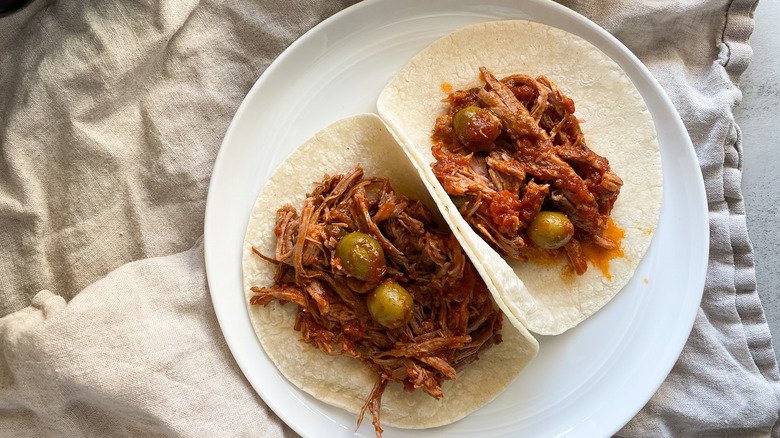
The name “ropa vieja” translates from Spanish as “old clothes.” At first, the name can sound unusual or even confusing to people hearing it for the first time. The explanation becomes much clearer when you see the meal itself. The shredded beef strands resemble torn pieces of fabric, giving the dish its memorable title. While the name may be unusual, the flavor is anything but ordinary.
Over the years, ropa vieja has traveled across countries and cultures, adapting itself while keeping its identity intact. Today it remains one of the most recognized comfort foods in many Spanish-speaking communities and continues to gain popularity worldwide.
The Origins and History of Ropa Vieja
The roots of ropa vieja stretch back many centuries. Historians often trace its beginnings to Spain, particularly the Canary Islands. During earlier periods, families often tried to make the most of every ingredient they had available. Leftover meats from stews were shredded and combined with vegetables and spices to create entirely new meals.
This practical approach was not simply about saving food; it was also about creativity. People discovered that leftover ingredients could produce flavors that felt fresh and exciting. Rather than wasting food, households transformed simple ingredients into hearty dishes that fed large families.
As Spanish influence spread throughout different parts of the world, the recipe traveled as well. Eventually, the dish found a new home in Latin America and especially in Cuba, where it evolved into the version many people recognize today. Cuban cooking introduced ingredients like tomatoes, peppers, garlic, and spices that helped create the deeply satisfying flavor profile associated with modern ropa vieja.
Why the Name “Ropa Vieja” Has a Unique Meaning
Food names often emerge from appearance, stories, or local traditions, and ropa vieja is no exception. The direct translation of “old clothes” initially surprises many people, but the explanation reflects visual creativity.
When beef is slowly cooked and pulled apart, the strands become thin and uneven. These strips resemble worn or torn pieces of fabric scattered across a plate. Generations ago, cooks saw this resemblance and created a name that stayed with the recipe through centuries.
There is also an old folk story connected to the dish. According to legend, a poor man had no food available to feed his family. Out of desperation, he shredded his clothes and placed them into a cooking pot while praying for help. Miraculously, the cloth transformed into rich meat stew that fed everyone. Whether true or purely symbolic, the story highlights themes of hope, family, and resourcefulness.
Names sometimes become powerful because they carry emotion alongside explanation. In the case of ropa vieja, the unusual title helps people remember not only the dish but also the stories surrounding it.
Traditional Ingredients Used in Ropa Vieja
One reason people love ropa vieja is that its ingredient list is fairly straightforward while producing incredibly rich flavors. Most traditional recipes focus on combining meat, vegetables, and seasonings in a way that creates depth over time.
Beef is generally the star ingredient. Cuts like flank steak or brisket work particularly well because they become tender after long cooking periods. Slow cooking allows the meat fibers to soften and separate naturally, producing the shredded texture that defines the dish.
Vegetables also play a major role. Onions, garlic, tomatoes, and colorful bell peppers create both sweetness and balance. Green and red peppers often appear together because they contribute slightly different flavors.
Seasonings bring everything together. Salt, pepper, cumin, oregano, bay leaves, and paprika commonly appear in many versions. Some recipes also include olives or capers, adding small bursts of saltiness that complement the meat.
The beauty of these ingredients lies in their simplicity. Nothing feels overly complicated, yet the combination creates layers of flavor that taste as though the recipe required much greater effort.
How Ropa Vieja Is Traditionally Prepared
The preparation process for ropa vieja rewards patience. Unlike quick meals that rely on speed, this dish develops its best qualities through slow cooking and careful layering of flavors.
The first stage typically involves cooking the beef until it becomes extremely tender. Traditionally this process may take several hours. The goal is not merely cooked meat but meat that falls apart effortlessly with a fork.
After cooking, the beef is shredded into thin strips. At this stage, cooks often prepare a separate mixture of sautéed onions, peppers, garlic, and tomatoes. These ingredients slowly soften and release their natural flavors into the pan.
The shredded meat is then added back into the mixture, where everything cooks together. During this final stage, spices and broth combine with the meat, allowing every strand to absorb flavor. The result is a rich, fragrant dish with remarkable depth.
Traditional cooking methods emphasize gradual flavor development rather than shortcuts. The process itself often becomes part of the experience, especially during family gatherings.
Different Regional Variations of Ropa Vieja
One fascinating aspect of ropa vieja is how different cultures have shaped the recipe over time. Although the foundation remains similar, regional variations create entirely new experiences.
Cuban ropa vieja is perhaps the most widely recognized version. It often includes tomatoes, peppers, onions, garlic, and sometimes olives. The flavor profile balances richness with subtle sweetness and acidity.
Spanish versions sometimes stay closer to the dish’s earlier roots. Instead of focusing heavily on tomato-based sauces, some recipes use ingredients from traditional stews and soups.
Across parts of Latin America, cooks frequently add local ingredients and spices. Certain regions may create spicier versions, while others include potatoes or additional vegetables.
These variations show how recipes evolve naturally. Food rarely remains completely unchanged when it travels across cultures. Instead, communities adopt dishes and make them feel like their own while preserving their original identity.
The Best Side Dishes to Serve with Ropa Vieja
Ropa vieja becomes even more satisfying when paired with the right side dishes. Because the meat is rich and flavorful, simple accompaniments often work best.
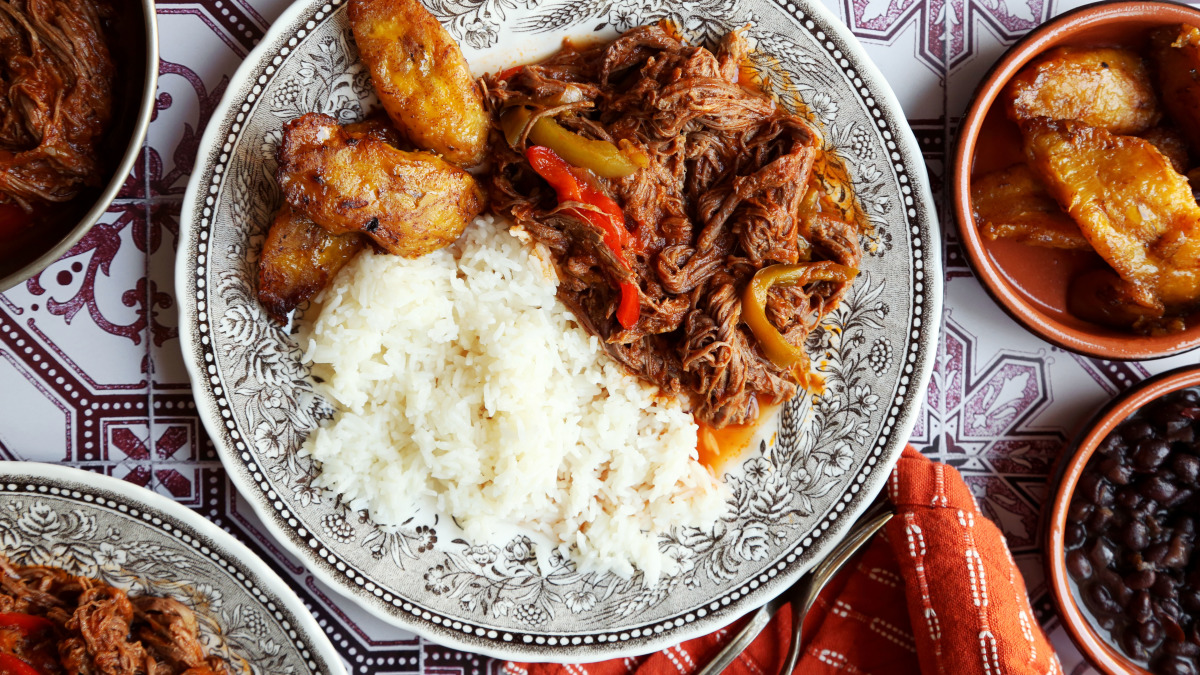
White rice remains one of the most common choices. The rice absorbs the savory sauce beautifully while providing balance to the stronger flavors of the meat. Many people consider rice almost essential when serving this dish.
Black beans are another classic pairing. Their creamy texture complements the shredded beef and adds extra heartiness to the meal. Together, beans and rice create a combination that feels complete and comforting.
Fried plantains also frequently appear beside ropa vieja. Their natural sweetness contrasts with the savory meat and creates an enjoyable flavor balance. Some households also include fresh salad or crusty bread to round out the plate.
The key is balance. Side dishes should support the main flavor rather than compete with it.
Why Ropa Vieja Remains Popular Today
Modern food trends constantly introduce new recipes and techniques, yet some dishes remain timeless. Ropa vieja continues to thrive because it delivers several qualities people consistently value.
First, it provides comfort. Slow-cooked meals often create feelings of warmth and familiarity that fast foods rarely match. Many people associate ropa vieja with family gatherings and home cooking memories.
Second, the dish offers flexibility. Home cooks can adjust ingredients based on personal preferences without losing the essence of the recipe. Whether using additional vegetables or modifying spices, the dish remains adaptable.
Finally, people simply appreciate authentic flavor. Despite changing food habits, dishes with strong cultural roots continue attracting attention because they offer something meaningful beyond convenience.
Ropa vieja represents more than shredded beef in sauce. It reflects history, creativity, and the way simple ingredients can become something memorable.
Final Thoughts
Ropa vieja stands as proof that exceptional food does not always require complex techniques or rare ingredients. Its journey from practical leftovers to internationally recognized comfort food demonstrates how culinary traditions evolve and endure.
The dish carries history through every strand of beef and every spoonful of sauce. It tells stories of families making the most of what they had, communities shaping recipes over generations, and cultures sharing flavors across borders.
Whether someone tries ropa vieja for the first time or has enjoyed it for years, its appeal remains easy to understand. Rich flavors, satisfying textures, and meaningful tradition combine to create a meal that feels both timeless and welcoming.
