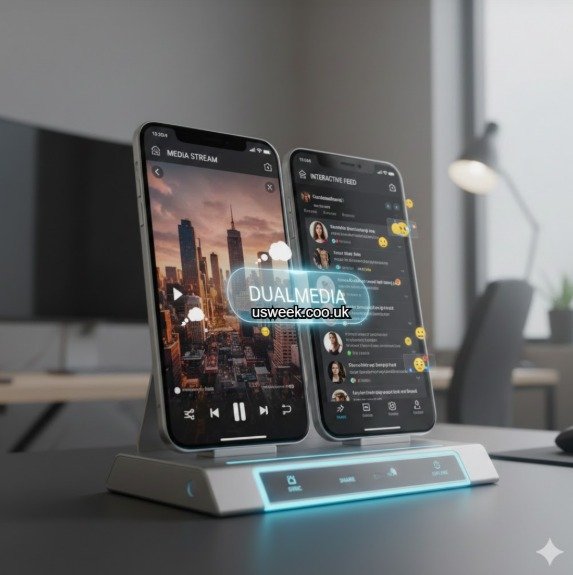

Application Mobile Dualmedia In today’s fast-moving digital world, mobile applications are no longer just tools—they are experiences. Users expect speed, personalization, and seamless interaction across multiple formats. This is where the concept of application mobile dualmedia comes into play. It represents a new generation of mobile apps that integrate multiple media formats—such as text, audio, video, and interactive elements—into a single, cohesive experience.
The rise of dualmedia mobile applications isn’t accidental. It’s driven by changes in user behavior, content consumption habits, and technological advancements. People no longer consume content in one way. They watch videos while reading, listen to audio while browsing, and interact with visuals while performing tasks. A mobile application that supports dualmedia adapts perfectly to this reality.
In this article, we’ll explore what application mobile dualmedia really means, how it works, why it matters, and how businesses and developers can leverage it to build smarter, more engaging mobile applications.
Understanding the Concept of Application Mobile Dualmedia
At its core, application mobile dualmedia refers to a mobile application designed to deliver and manage two or more media formats simultaneously or contextually. This could mean combining video with text, audio with visuals, or interactive graphics with real-time data. The goal is not just to include multiple media types, but to make them work together seamlessly.
Unlike traditional mobile apps that focus on a single content format, dualmedia applications are built with flexibility in mind. For example, a learning app may allow users to read an article while listening to an audio explanation. Similarly, a news app might present a written story alongside a short video summary, giving users control over how they consume information.
From a technical standpoint, dualmedia applications require thoughtful architecture. Developers must ensure smooth transitions between media, optimized performance, and minimal load times. When done correctly, the result is an intuitive app that feels natural rather than overwhelming, even with multiple media elements running together.
Why Application Mobile Dualmedia Is Gaining Popularity

One of the biggest reasons application mobile dualmedia is growing rapidly is user demand. Modern users multitask constantly, and they prefer apps that support their behavior rather than restrict it. Dualmedia apps allow users to choose how they interact with content based on their environment, mood, or time constraints.
Another major factor is the explosion of content platforms. Social media, streaming services, and educational platforms have trained users to expect rich media experiences. Static text alone often feels outdated. By integrating dualmedia elements, mobile applications feel more alive, modern, and engaging, which directly impacts user retention.
From a business perspective, dualmedia applications offer better engagement metrics. Users spend more time in apps that stimulate multiple senses. This increased engagement often leads to higher conversion rates, stronger brand loyalty, and improved monetization opportunities through ads, subscriptions, or in-app purchases.
Key Features That Define a Strong Dualmedia Mobile Application
A successful application mobile dualmedia experience starts with smart media integration. The app should not feel cluttered or confusing. Instead, media elements should complement each other. For instance, audio should enhance text, not compete with it, and visuals should support the message rather than distract from it.
Performance optimization is another critical feature. Dualmedia apps handle more data than standard applications, so efficient media loading, caching, and compression are essential. Users are quick to abandon apps that lag or crash, no matter how good the content is.
Personalization also plays a big role. Advanced dualmedia applications adapt to user preferences. Some users may prefer watching videos, while others lean toward reading or listening. Allowing users to switch between media formats—or use them together—creates a sense of control and personalization that significantly improves the user experience.
Use Cases of Application Mobile Dualmedia Across Industries
In education, application mobile dualmedia has completely transformed learning experiences. Students can read lessons, watch demonstrations, and listen to explanations all within one app. This multi-layered approach improves comprehension and retention, especially for complex topics.
The entertainment industry also heavily relies on dualmedia applications. Music apps with lyrics, video previews, and artist interviews are great examples. Streaming platforms use dualmedia elements to provide trailers, behind-the-scenes clips, and interactive content alongside core media.
In business and marketing, dualmedia mobile applications are powerful storytelling tools. Brands can combine visuals, audio messages, and interactive elements to communicate their value more effectively. This approach not only captures attention but also builds emotional connections with users.
Challenges in Developing Application Mobile Dualmedia Solutions
While the benefits are clear, building an application mobile dualmedia solution comes with challenges. One of the biggest is balancing functionality with simplicity. Too many media elements can overwhelm users if not carefully designed.
Another challenge lies in device compatibility. Dualmedia applications must perform well across various screen sizes, operating systems, and hardware capabilities. Developers need to ensure consistent quality whether the app is running on a high-end smartphone or a budget device.
Content management is also more complex. Updating and synchronizing multiple media formats requires robust backend systems. Without proper planning, maintaining a dualmedia app can become resource-intensive, both technically and financially.
The Future of Application Mobile Dualmedia
Looking ahead, application mobile dualmedia is set to evolve even further with emerging technologies. Artificial intelligence will play a significant role in personalizing media experiences in real time. Apps will intelligently adjust content formats based on user behavior, preferences, and context.
Augmented reality and virtual reality will also expand the definition of dualmedia. Future mobile applications may blend real-world visuals with digital audio, text, and interactive layers, creating deeply immersive experiences that go far beyond traditional app design.
As 5G and improved mobile hardware become more widespread, performance limitations will continue to shrink. This will allow developers to push creative boundaries and deliver richer dualmedia experiences without compromising speed or stability.
Conclusion: Why Application Mobile Dualmedia Matters More Than Ever
The concept of application mobile dualmedia represents a major shift in how mobile applications are designed and experienced. It aligns perfectly with modern user expectations and offers businesses a powerful way to stand out in a crowded app market.
By thoughtfully combining multiple media formats, dualmedia applications create more engaging, flexible, and personalized experiences. When executed properly, they don’t just deliver content—they tell stories, solve problems, and build lasting connections with users.
As mobile technology continues to evolve, dualmedia will no longer be a competitive advantage—it will be a standard. Developers and businesses that embrace this approach early will be better positioned to lead the next generation of mobile innovation.
